Source Educational Kids Musical Toy Saxophone for Schools
Find 30 educational kids musical toy saxophone options for early music education, classroom activities, and home play. Compare ABS plastic models with light and sound features from Shenzhen suppliers to select the best fit for young learners; compare the available evidence and request quotations based on your requirements.
Key considerations
Products List


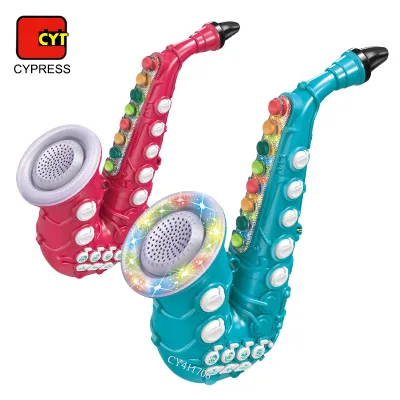
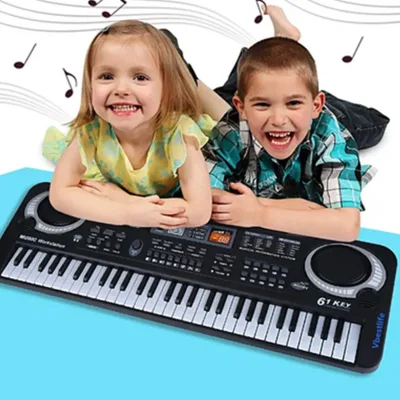

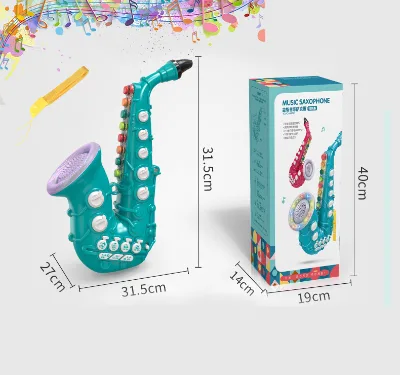


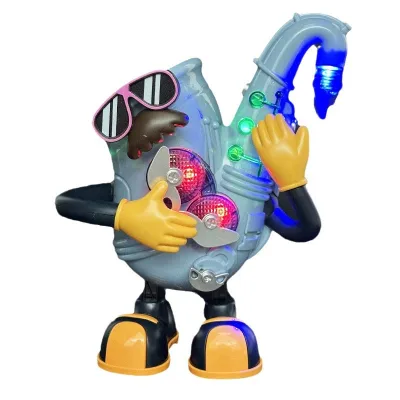

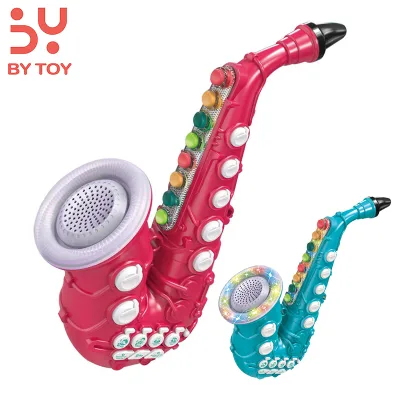


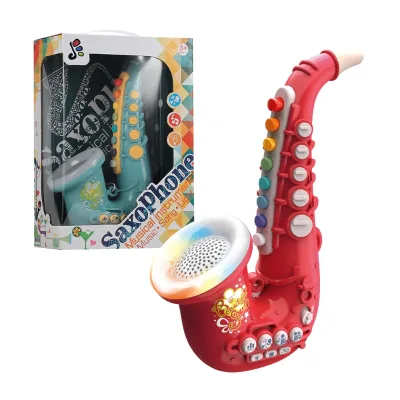

Comprehensive Sourcing Guide
Educational Kids Musical Toy Saxophone Sourcing Guide
Sourcing educational musical toys, particularly saxophone-style instruments for children, requires a careful balance between engaging design and rigorous safety compliance. These products serve as dual-purpose tools for early music education and cognitive development, appealing to both parents and educators. Buyers must navigate a market where electronic features, such as sound recording and light effects, are common but introduce additional complexity in quality assurance. The primary objective is to secure units that deliver authentic play value while adhering to strict international safety standards for young consumers.
The procurement process involves evaluating multiple product attributes, from material composition to packaging efficiency. Observed listings indicate a wide range of specifications, including ABS plastic construction, battery-operated functions, and various age recommendations. Buyers should focus on verifying the specific model numbers and functional claims against trusted category knowledge to ensure the product aligns with their target demographic. Understanding the distinction between simple acoustic toys and complex electronic educational tools is crucial for accurate cost estimation and supplier selection.
Product Scope and Observed Listing Signals
The current market for educational kids musical toy saxophones presents a diverse array of options, with observed price points ranging from $0.55 to $31.38 USD. This variance reflects differences in material quality, electronic complexity, and packaging sophistication. Minimum order quantities (MOQs) typically span from 2 to 3000 units, offering flexibility for both small boutique retailers and large-scale distributors. Buyers should analyze these signals to determine the appropriate tier of product for their specific channel, noting that higher-priced items often include advanced features like remote controls or multi-function sound modules.
Product descriptions frequently highlight attributes such as "hard cover" books, "colorful" designs, and specific age ranges like 2 to 13 years. Some listings specify detailed dimensions, such as a packing size of 19x13.5x40 cm, and gross weights around 14.3 kg for carton loads. These physical specifications are critical for logistics planning and shelf-space optimization. Buyers must cross-reference these observed data points with their own inventory requirements to avoid mismatches in shipping volume or retail display constraints, ensuring that the selected saxophone toys fit seamlessly into their existing supply chain operations.
Technical Specifications to Verify
Technical verification begins with confirming the material composition, with ABS plastic being a prevalent choice for durability and safety. Buyers should inspect the specific model numbers, such as Tw-044 or CY411706, to understand the underlying hardware architecture. Electronic features like sound recording, music playback, and light flashes require robust battery management systems, often utilizing AG10 batteries. It is essential to verify the battery compartment design to prevent accidental ingestion by young children, a critical safety consideration for toys targeting ages 2 to 4 years.
Further technical checks involve assessing the toy keyboard type and playing method, such as key-type guitar or saxophone interfaces. Buyers must confirm the number of scales available, with some models offering five scales for simplified learning. The inclusion of accessories like remote controls adds functionality but also increases the potential for failure points. Verifying the single package size and carton dimensions ensures that the product meets retail packaging standards. Additionally, confirming the printing type, such as offset printing, helps assess the longevity of the product’s visual appeal and resistance to wear during play.
Compliance and Safety Documentation
Compliance is non-negotiable in the children’s toy sector, requiring thorough documentation of certifications such as CE, RoHS, CCC, and ASTM F963-96a. Buyers must request valid test reports from accredited laboratories to verify that materials are free from harmful substances like PAHs and phthalates. The presence of EMC certification is particularly important for electronic toys to ensure they do not interfere with other devices or pose electromagnetic hazards. Without these documents, products risk being detained at customs or rejected by retailers, leading to significant financial losses.
Beyond standard certifications, buyers should verify adherence to regional standards like EN71 for European markets or FSC certification for paper-based components. The origin of the product, often listed as Shenzhen or Guangdong, China, should be cross-checked against trade regulations and tariffs applicable to the destination market. It is crucial to ensure that the supplier provides up-to-date compliance certificates that match the specific model being ordered, as certifications are often model-specific. Maintaining a complete audit trail of these documents protects the buyer from liability and ensures the safety of the end-user.
Cost Drivers and Commercial Terms
Cost structures in this category are influenced by material costs, electronic component prices, and packaging complexity. ABS plastic and electronic modules constitute the primary variable costs, while offset printing and custom packaging add to the final unit price. Buyers should analyze the relationship between MOQ and unit cost, noting that larger orders often yield better pricing tiers. Understanding the breakdown of these costs helps in negotiating favorable terms and predicting margin potential, especially when dealing with fluctuating raw material prices.
Commercial terms also include packaging specifications, such as individual PP bags or window boxes, which affect handling and display appeal. Buyers must clarify whether the quoted price includes standard export cartons or if additional packaging is required for retail readiness. Lead times and production capacity should be discussed upfront to ensure timely delivery, especially during peak seasons. Clear communication regarding payment terms, shipping responsibilities, and return policies for defective units is essential to mitigate financial risk and maintain a smooth procurement process.
Supplier Qualification and Quality Control
Supplier qualification requires a rigorous assessment of manufacturing capabilities and quality management systems. Buyers should verify the supplier’s history in producing electronic musical toys and their ability to maintain consistent quality across large production runs. Requesting samples is a critical step to evaluate the tactile feel, sound quality, and durability of the saxophone toy. Inspecting the sample for sharp edges, loose parts, and battery security ensures that the product meets basic safety and quality expectations before committing to a bulk order.
Quality control protocols should include in-process inspections and final random inspections based on AQL standards. Buyers must define clear acceptance criteria for cosmetic defects, functional failures, and packaging errors. Establishing a direct line of communication with the supplier’s quality team allows for rapid resolution of any issues that arise during production. Additionally, verifying the supplier’s ability to provide replacement parts or support for electronic components can enhance long-term customer satisfaction and reduce after-sales service burdens.
Long-Term Procurement Checks
Long-term success in sourcing educational musical toys depends on continuous monitoring of product performance and market feedback. Buyers should track return rates and customer complaints to identify potential design flaws or quality inconsistencies. Regularly reviewing supplier compliance documentation ensures that certifications remain valid and that the supplier adheres to evolving safety regulations. Building a strong relationship with the supplier facilitates better collaboration on product improvements and innovation, keeping the product line competitive in a dynamic market.
Furthermore, buyers should stay informed about trends in children’s education and technology to anticipate future demand. This includes understanding shifts in parental preferences for screen-free learning tools or multi-functional educational toys. Periodic audits of the supply chain help identify risks related to logistics, customs, or geopolitical factors. By maintaining a proactive approach to procurement, buyers can ensure a steady supply of high-quality, compliant educational kids musical toy saxophones that meet the needs of their customers and uphold their brand reputation.
FAQs
What certifications do these educational kids musical toy saxophones have?
These toys meet major safety standards including CE, RoHS, CCC, ASTM F963-96a, and EN71. They also comply with PAHs, Phthalates, EMC, and Fsc requirements. These certifications ensure the products are safe for children and suitable for international export markets. Buyers can verify these documents to ensure regulatory compliance for their specific destination regions.
Which age groups are suitable for this educational kids musical toy saxophone?
The product is designed for children aged 2 to 13 years. Specific age ranges include 2 to 4 years, 5 to 7 years, and 8 to 13 years. This wide range makes it a versatile educational tool for early music education and skill development across different developmental stages of young learners.
Can I customize the specifications for this educational kids musical toy saxophone?
Yes, customization is available for product size and other specifications. The standard model features a size of 17*11*32 cm, but buyers can request customized dimensions. This flexibility allows businesses to tailor the product to specific market needs or packaging requirements while maintaining the core educational and musical functionality of the toy.
What is the typical MOQ for ordering this educational kids musical toy saxophone?
The minimum order quantity ranges from 2 to 3000 units depending on the supplier and customization level. This flexible MOQ structure accommodates both small trial orders and large bulk purchases. Buyers can negotiate specific quantities based on their inventory needs and budget constraints while ensuring efficient production scheduling for the manufacturer.
Where are these educational kids musical toy saxophones manufactured?
These toys are manufactured in Shenzhen and Guangdong, China. This region is known for its robust manufacturing infrastructure and expertise in producing electronic and plastic toys. Buyers can leverage this location advantage for efficient logistics and supply chain management, ensuring timely delivery and consistent quality control throughout the production process.
What materials are used in this educational kids musical toy saxophone?
The toy is primarily made from ABS plastic, which is durable and safe for children. Some components may use other plastics, and the packaging includes individual PP bags. The use of high-quality ABS ensures the toy withstands regular play while maintaining its colorful appearance and structural integrity for long-term educational use.